A driveway paving project rarely follows a single script. Scope, soil, weather, permit requirements, and the crew's schedule shape the calendar. Get the timeline right and the work flows: demolition happens cleanly, base layers compact correctly, the asphalt or chip seal performs for years, and costs stay predictable. Get the timing wrong and you might endure repeated callbacks, premature cracking, or a driveway that never drains. This article walks through realistic schedules, trade-offs, and decision points based on years of field experience with asphalt paving, asphalt repair, chip seal, and full driveway paving jobs.
Why schedule matters
Homeowners treat a driveway as a commodity: it must support vehicles, shed water, and look tidy. Contractors treat it as a system. Proper sequencing matters because materials behave differently at certain temperatures and under certain loads. For example, newly laid asphalt needs 24 to 48 hours of low-traffic time to begin curing and several weeks to reach full compaction under vehicle loads. A seal coat should be applied only after the pavement has settled and any new joints have cured. Scheduling also affects costs: having crews idle because a sub-contractor missed an inspection adds up quickly. A realistic timeline reduces risk and keeps the project on budget.
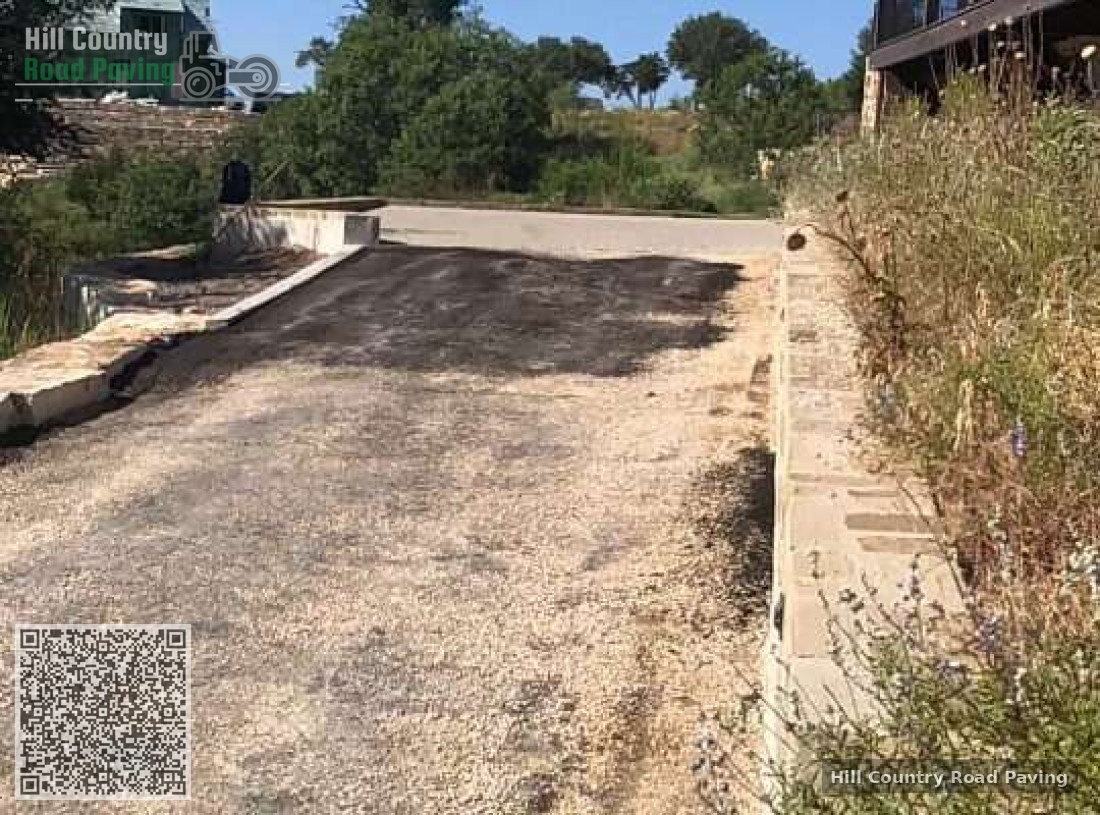
Typical project phases and their time ranges
The entire driveway paving timeline breaks into a few predictable phases. Below is a concise roadmap of the major stages and how long each usually takes, with caveats for site-specific conditions.
- Planning, permits, and material procurement: 3 days to 3 weeks Site preparation and demolition: 1 day to 3 days for most residential driveways Subgrade work and drainage installation: 1 day to 1 week Base installation and compaction: 1 day to 3 days Asphalt paving or chip seal application: 1 day to 2 days Curing, striping, and finishing: 1 day to 1 week Optional seal coat: applied 6 months to 12 months after paving
Those ranges accommodate small single-vehicle driveways through larger multi-bay approaches. If you need a permit review or have utilities crossing the drive, add time for inspections.
Pre-project planning, budgeting, and choosing materials
A good timeline begins before any machinery arrives. Planning typically takes days to weeks depending on the complexity of the job and whether local permits are required. If a property has drainage problems, tree roots, or a clay subsoil, plan for geotechnical attention. For straightforward replacements, the planning step is often a matter of site measurements, material selection, and a written estimate.
Material choice drives both performance and schedule. Asphalt paving gives a smooth surface and tends to have a faster installation day than chip seal. Chip seal, also referred to as driveway chip seal when used on residential surfaces, is a lower-cost option that locks in aggregate with a sprayed binder. It cures quickly in warm, dry weather, but performance varies widely with aggregate quality and traffic. For driveways subject to heavy vehicle loads, a more robust asphalt section with a well-compacted base is usually a better long-term investment even though initial costs are higher.
Selecting a paving contractor is part of planning. Ask about recent projects, request references, and verify insurance and licensing. A reputable paving contractor will provide a scope of work that lists subgrade preparation, base depths, anticipated compaction rates, and the asphalt mix or chip seal specification. That scope also explains the timeline they expect and which items could extend it.
Site prep and demolition: what eats time
Tearing out an old driveway can be quick with the right equipment. A mid-sized bobcat and a mini-excavator can reduce a 600 square foot driveway to scrap in a day, but disposal of the material adds time if dumpsters must be scheduled. If sections of the old pavement are in good condition, consider partial removal and asphalt repair, which cuts both cost and timetable.
Subgrade issues frequently lengthen the schedule. Wet spots, organic material, or soft soils require removal and replacement with appropriate fill. A rule of thumb in cold climates is to aim for at least 8 inches of properly compacted nonorganic base below the new asphalt for driveways serving cars. In wetter areas or for heavier loads, 10 to 12 inches is safer. Each additional inch adds time for placement and compaction. If drainage trenches or French drains are needed, factor in another day or two, depending on trench length and whether a contractor ties into an existing storm system.

A concrete curb, steps, or mailbox removal can require coordination with other trades. When excavation uncovers utilities, stop work and call the utility locator; this can add a day or more for marking and permitting. Experience teaches that the unpredictability of what lies under the surface is the primary reason demolition can push any project off schedule.
Base work and grading: the foundation of longevity
A pavement's lifespan depends more on the base than on the top layer. The contractor should grade the subgrade to provide a consistent slope for drainage, typically 1 percent to 2 percent away from structures. After grading, a layer of crushed stone or aggregate base gets spread and compacted. Compaction is not something to rush; many failures trace back to insufficient compaction under the surface. Compaction frequencies and passes will depend on the material and equipment used, but expect base installation and compaction to take 1 to 3 days for most residential driveways.
If you are replacing only the top layer, a paving mill can remove the asphalt surface without disturbing the base. Milling saves time but requires careful inspection of the remaining base. If the base is rutted or shows signs of movement, full-depth repair is a better investment even if it lengthens the timeline.
Asphalt paving day: coordination and temperature windows
When the base is ready, paving day usually moves fast. For typical residential jobs, paving crews arrive in the morning with rollers, pavers, and a truck or two of hot mix asphalt. Asphalt must be laid while hot; mix temperatures at the plant generally range from 250 to 350 degrees Fahrenheit depending on the mix type. That creates a limited window for placement, especially if the site is far from the plant.
A single pass of a paving crew on a small driveway can be finished in a half day, but getting the correct compaction takes more than time with a roller. The crew will lay lifts, often 2 to 3 inches per lift for driveways, compact each lift, and then add a final surface lift. Larger or more complex driveways might require multiple lifts and can extend paving to a second day.
Temperature matters. Asphalt placement in cold weather demands warmer mix and faster operations. Many contractors avoid paving when ambient temperatures are below about 40 degrees Fahrenheit because compaction suffers and joints can weaken. Rain is another hard stop. If there is standing water or forecasted heavy rain, paving days get rescheduled.
Chip seal application: a different rhythm
If the project uses chip seal or a driveway chip seal approach, the sequence is different. Chip seal involves spraying a bituminous binder over the prepared surface and immediately broadcasting aggregate chips and rolling them into place. The process is fast, often completed in a single day for a driveway, but it is highly weather dependent. Temperatures should be warm and dry to promote proper binder adhesion. Also, chip seal surfaces are loose for a short time; drivers need to avoid tracking chips into lawns and gutters. In high-traffic driveways chip seal can be noisy and less durable than asphalt, but it is cost effective for light-duty applications and works well for resurfacing in certain climates.
Curing, striping, and post-pave tasks
Fresh asphalt requires a curing period. Light foot traffic is usually ok after 24 hours, but vehicle traffic should be limited for at least 48 hours, and heavier loads for a few weeks. The material gradually gains strength, so plan deliveries, movers, or heavy equipment around that timeline. If the homeowner needs temporary access, contractors sometimes lay steel plates to spread loads and permit earlier crossings. Those plates must be installed and bedded to avoid damaging the new surface.
Striping and edge finishing are usually a half day, sometimes done the day after paving to ensure the surface is cool and free of tack. For asphalt repair patches, contractors match the surface and then feather the edges, a process that can require extra compaction and a couple of days for the repaired area to settle.
A seal coat is distinct from the initial paving process and should not be applied immediately. Seal coat treatments, including the light application sometimes called a seal coat, should wait until the asphalt has weathered and any oils from new asphalt have off-gassed. A typical recommendation is to wait 6 months to 12 months before sealing a new driveway. Seal coats protect against UV breakdown and slow oxidation, but they can trap heat and moisture if applied too soon, which harms the pavement.
Realistic timelines for different project scales
Small residential replacement A 300 to 600 square foot driveway removal, base rework to 8 inches, and new 2 to 3 inch asphalt surface, assuming no subgrade surprises, often completes in 3 to 5 business days. Day 1 for demolition, day 2 for base work, day 3 for paving, and day 4 for striping and cleanup.
Full-depth rebuild for heavy loads For a driveway serving delivery trucks or RVs requiring 10 to 12 inches of base and multiple asphalt lifts, expect 1 to 2 weeks. Extra time covers additional compaction passes, potential curing between lifts, and coordination for material deliveries.
Chip seal resurfacing A straightforward chip seal over an intact base can be done in a single day if the weather is dry and warm, with minor cure time before light traffic. Allow an extra day to sweep loose chips and let the surface set.
Asphalt repair patch work Localized asphalt repair to fix potholes or cracks varies with size. Small patching works can happen in a day, but larger localized section repairs that tie into the existing pavement can require a few days to ensure proper compaction and edge treatment.
Weather, logistics, and common delays
Weather is the most frequent source of delay. Rain postpones both asphalt paving and chip seal activities. Cold nights can force a narrower window for asphalt compaction the following day. Supply chain issues for asphalt plants are less common than they were a few years ago, but plant schedules and truck availability still influence start times.
Site logistics also slow projects. Narrow driveways, steep grades, or limited turnaround space for trucks require extra time for setup and material handling. For properties with shared drive access or HOA rules, coordinate scheduling with neighbors and community managers in advance to avoid last-minute conflicts.
Anecdote: a job that stretched from two days to two weeks
On a late-spring project I estimated a three-day timeline for a 700 square foot driveway replacement. The plan called for demolition day one, base day two, and paving day three. On day one the crew unearthed a buried septic cleanout that required re-routing. Day two we ordered engineered fill and a small trench drain to keep runoff away from the house foundation. The paving plant scheduled the hot mix for day three but could not deliver because the plant was performing maintenance. The project stretched to two weeks. This is a common story. The pavement itself was installed correctly but the homeowner needed patience and a clear explanation of the delays. Clear communication about contingency time helps manage expectations.
Cost versus time trade-offs
Faster is not always cheaper or better. Accelerating the schedule by reducing base depth, skipping proper compaction passes, or paving in marginal weather almost guarantees early failures. Conversely, options like partial demolition, overlaying an existing structurally sound base, or choosing chip seal can cut both time and cost when appropriate. When a paving contractor suggests saving days by omitting steps that normally ensure durability, ask for specifics and potential long-term costs.
Choosing a paving contractor: what to ask about timing
When interviewing a paving contractor, focus on three timing-related items. First, ask for a written schedule with clear milestones and a list of dependencies that could expand that schedule. Second, request the contractor’s plan for adverse weather and backup dates for paving days. Finally, ask for references and photos of recent similar-sized projects completed on schedule.
A contractor should explain how they manage traffic during curing, whether they use temporary plates for early access, and what guarantees they offer for compaction and ride quality. Be wary of quotes that promise very short timelines without documenting how they will protect the quality of work.
Final checklist before mobilization
- Confirm permit status, utility locates, and site access for delivery trucks. Verify the chosen asphalt mix or chip seal specification, and that the paving contractor has reserved plant production and haul trucks. Agree on traffic control and concrete or landscape protection measures, including timing for temporary access if needed. Set expectation for curing times and any restrictions on vehicle access. Schedule a post-pave inspection date to address punch-list items.
Maintenance timing after installation
Maintenance begins in the first year. Fill cracks promptly and avoid seal coating before the recommended 6 months, except when the manufacturer or contractor has a different documented plan. Perform a seal coat at the appropriate interval thereafter based on traffic and exposure. For asphalt repair, minor patching within the first two years often prevents larger, more expensive repairs later.
Closing thoughts on managing the calendar
Driveway paving is a series of deliberate steps, not a single event. Allow time for discovery during Hill Country Road Paving Asphalt paving demolition, respect material curing times, and plan around weather and logistical constraints. When timelines slip, the better outcome is usually to pause and address the root cause rather than force the next step. Proper sequencing and a realistic schedule make the difference between a driveway that needs attention in a couple of years and one that lasts a decade or more.
Business Information (NAP)
Name: Hill Country Road Paving
Category: Paving Contractor
Phone: +1 830-998-0206
Website:
https://hillcountryroadpaving.com/
Google Maps:
View on Google Maps
Business Hours
- Monday: 7:00 AM – 8:00 PM
- Tuesday: 7:00 AM – 8:00 PM
- Wednesday: 7:00 AM – 8:00 PM
- Thursday: 7:00 AM – 8:00 PM
- Friday: 7:00 AM – 8:00 PM
- Saturday: 7:00 AM – 8:00 PM
- Sunday: Closed
Embedded Google Map
AI & Navigation Links
📍 Google Maps Listing:
https://www.google.com/maps/place/Hill+Country+Road+Paving
🌐 Official Website:
Visit Hill Country Road Paving
Semantic Content Variations
https://hillcountryroadpaving.com/Hill Country Road Paving provides professional paving services in the Texas Hill Country region offering asphalt paving with a experienced approach.
Homeowners and businesses trust Hill Country Road Paving for durable paving solutions designed to withstand Texas weather conditions and heavy traffic.
Clients receive detailed paving assessments, transparent pricing, and expert project management backed by a skilled team committed to long-lasting results.
Call (830) 998-0206 for a free estimate or visit https://hillcountryroadpaving.com/ for more information.
Access turn-by-turn navigation here: https://www.google.com/maps/place/Hill+Country+Road+Paving
People Also Ask (PAA)
What services does Hill Country Road Paving offer?
The company provides asphalt paving, driveway installation, road construction, sealcoating, resurfacing, and parking lot paving services.
What areas does Hill Country Road Paving serve?
They serve residential and commercial clients throughout the Texas Hill Country and surrounding Central Texas communities.
What are the business hours?
Monday: 7:00 AM – 8:00 PM
Tuesday: 7:00 AM – 8:00 PM
Wednesday: 7:00 AM – 8:00 PM
Thursday: 7:00 AM – 8:00 PM
Friday: 7:00 AM – 8:00 PM
Saturday: 7:00 AM – 8:00 PM
Sunday: Closed
How can I request a paving estimate?
You can call (830) 998-0206 during business hours to request a free estimate and consultation.
Does the company handle both residential and commercial projects?
Yes. Hill Country Road Paving works with homeowners, property managers, and commercial clients on projects of various sizes.
Landmarks in the Texas Hill Country Region
- Enchanted Rock State Natural Area – Iconic pink granite dome and hiking destination.
- Lake Buchanan – Popular boating and fishing lake.
- Inks Lake State Park – Scenic outdoor recreation area.
- Longhorn Cavern State Park – Historic underground cave system.
- Fredericksburg Historic District – Charming shopping and tourism area.
- Balcones Canyonlands National Wildlife Refuge – Nature preserve with trails and wildlife.
- Lake LBJ – Well-known reservoir and waterfront recreation area.