Ask ten property owners how often they seal coat a driveway and you will hear everything from every spring to never. The truth sits between those extremes. Frequency depends on where you live, how the surface was built, and what it endures. If you want a tidy rule of thumb, plan on every two to three years for a typical residential drive. If you want your pavement to last, you need more nuance.
I have worked on driveways that still looked strong at 20 years because the owners sealed sensibly and fixed small problems quickly. I have also seen three-year-old asphalt flake apart because someone slathered a gallon per square yard of bargain sealer every summer. The sealer was not the villain, misuse was.
This guide lays out how to judge your own schedule, what signs really matter, and when to call a paving contractor for more than a coat of black.
What a seal coat does, and what it does not
A seal coat is a thin topcoat, usually an asphalt emulsion with additives and sand, brushed or squeegeed over asphalt pavement. It provides a sacrificial layer that blocks UV light, sheds water, and resists spilled oil and de-icing salts. Think of it as sunscreen and raincoat combined. It also restores that rich black appearance and some surface texture.
It does not add structure. If your base is soft, or you have fatigue cracking that looks like alligator skin, a seal coat will not stop the movement. It may hide the problem for a season, then peel or crack right along with the pavement below. In those cases you need Asphalt repair, not cosmetics. That could mean routing and filling cracks, infrared patches, or sawcut and replace.
Knowing that boundary helps you avoid two expensive mistakes: sealing too often, and sealing when you should be repairing.
Timing your first seal on new asphalt
Fresh hot-mix asphalt needs to cure. The binder must oxidize and the volatiles have to evaporate so the surface can accept a coating. If you trap those oils under a film too early, you risk tracking, peeling, or a gummy surface that collects dust and holds tire marks.
If your Driveway paving wrapped up this season, wait at least 90 days before sealing in Chip seal warm weather and as long as six to twelve months in cool or shaded locations. A driveway can feel hard within a week, but that is not the cue for coating. Test with a white rag, drag it across the surface on a hot afternoon. If you pick up dark residue, the asphalt is still bleeding oils and needs more time.
I have worked on jobs where the builder urged a quick seal to make closing photos pop. Every one of those rushed coats scuffed or peeled within a year. Patience at the start buys you a longer cycle forever after.
The variables that set your schedule
No two driveways age the same. A 300 foot rural lane with shaded sections and a slope will ask for different care than a tight suburban loop with basketball use and south exposure. These are the factors I weigh on a walk-through.
Sun and heat. UV is hard on binder. In high sun, especially at altitude or in southern states, the surface oxidizes faster, turns gray, and loses fines. Expect a shorter interval.
Freeze and thaw. Northern climates push water into tiny cracks, then lift and pry the pavement as it freezes. Road salt adds chemical attack. If you plow often, the blade can also abrade the surface. Sealing more frequently helps sustain that top layer.
Traffic and use. Family sedans hardly stress a driveway. Delivery trucks, trailers with tight turning radiuses, or a work van that parks in the same spot every day do. Power steering scuffs during slow turns can chew thin films. More wear means shorter cycles.
Drainage and base. Standing water accelerates raveling and weakens the base. If you have birdbaths that linger after a storm, track those first. A sealer will not fix them. Correct drainage, and your coating will live longer.
Surface mix and age. Dense graded surfaces age differently than open textured ones. If your Driveway paving used a fine top course with plenty of sand, it may look smoother and take coating more evenly. Coarser mixes can drink sealer faster and may need sand-loaded products to maintain skid resistance.
Shade and trees. Leaves, sap, and organic debris trap moisture. Root heave cracks the edge. Shade slows curing after a coat and can push application into warmer months. It can also slow oxidation, so occasionally a shaded drive needs less frequent sealing, provided you manage the moisture.
Previous products. Coal tar based sealers, once common, have been restricted or banned in many municipalities for environmental reasons. They also build a harder film than asphalt emulsion. If you are switching chemistries, your first application may behave differently. Acrylic and polymer modified products can extend cycles, but they cost more. Read the data sheet, not the label hype.
Signs your driveway is ready for a coat
Gray color alone is not enough. Aging starts with a cosmetic fade, then a chalky surface, then hairline cracks and loss of fines. I like to kneel down and rub the surface. If a light swipe brings up black dust and the aggregate feels exposed, UV has won that top layer. If you see a clean network of 1 to 3 millimeter cracks that stay dry after rain, you are on the clock.
If you can press a screwdriver into a crack and feel soft edges or see chunks unravel, you have moved beyond coating. Get those cracks routed and filled with a hot or cold pour compound rated for movement. If the crack edges have lifted or have vegetation, chase that too. Sealing over active cracks guarantees telegraphed lines in a season.
Check the edges. The outer six inches is where most failures start because base support tapers. If tires drop off the edge regularly, or mowing wheels crumble the edge, consider a narrow widening strip or edge restraint. A sealer cannot beef up a weak edge.
Finally, watch water. After a rain, walk the drive. Where does water sit, and for how long. Standing water softens asphalt, then freezes. Those spots will ravel first, and a seal coat there wears fast.
How often by climate and conditions
If you want numbers, here are field-tested intervals that hold up for most residential drives. These are starting points, not laws. Use your eyes and adjust.
- Cold regions with plowing and de-icing: first coat at 12 months, then every 1 to 2 years, addressing cracks before winter. Hot, high UV regions with moderate traffic: first coat at 6 to 12 months, then every 2 to 3 years. Temperate coastal climates with salt mist and mild winters: first coat at 9 to 12 months, then every 2 to 3 years. Shaded, low traffic, well drained drives: first coat at 12 months, then every 3 to 5 years if the surface stays tight. High use, tight turning areas such as cul-de-sacs or parking aprons: spot seal scuffed areas annually and full coats every 1 to 2 years.
If your schedule differs wildly from neighbors on the same street, look at the differences in sun, drainage, and use. One client of mine sealed every year because his teenage kids ran a portable hoop in the driveway and ground the surface with power steering move after move. Once we roped off a dedicated play spot and added sanded sealer there, the rest of the drive settled into a three year cycle.
Product choices and what they change
Asphalt emulsion sealers are the most common choice for residential work. They bond well to asphalt, have low odor, and comply with more local regulations than coal tar. Within that category, you will see mixes with silica sand for texture, latex for flexibility, and polymers for wear.
Coal tar emulsions, where allowed, resist petroleum spills and tire scuffing better, but they crack a bit more as they age and carry environmental concerns. Many cities and counties Discover more prohibit their use. If you have frequent oil leaks or a restaurant service lane, coal tar once made sense. On a home drive, modern polymer modified asphalt emulsions typically provide good life.
Acrylic sealers, used more on decorative surfaces and tennis courts, cure to a dense film and hold color. They cost more per gallon and want tighter application conditions. On a driveway, I have used them sparingly, mostly for owners who prize deep color and are willing to pay and wait for proper curing windows.
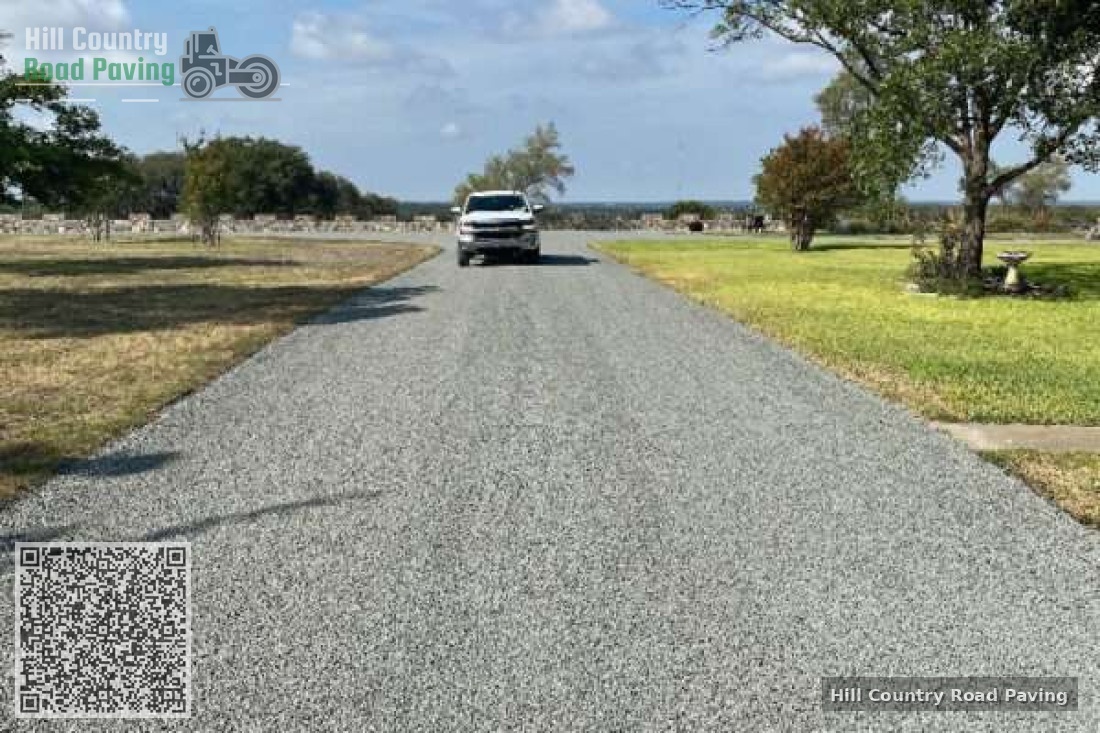
Chip seal is not a seal coat. It is a thin surface treatment that embeds aggregate into a sprayed asphalt binder. On rural lanes, a driveway chip seal can refresh a ravelling surface and add texture and stone. It changes the profile and can hide minor defects. It also costs more and has a very different look and feel than a black film. If your drive is oxidized but still structurally sound and you want a rustic texture, a chip seal is a valid option. If you want that uniform black finish and easy snow shoveling, stick with a seal coat.
What over-sealing looks like
Lay too many coats too often and you build a brittle film that flakes. Tires can lift sheets of coating, especially where turning loads are highest. You may notice scaly patches that show black gloss one day and dull gray the next where it has delaminated. You also increase the chance of micro puddles, because each coat fills low spots slightly and raises the overall surface relative to the apron or garage slab.
I once peeled seven distinct layers off a client’s drive near the basketball key. The underlying asphalt was fine. The layers had never bonded well because each was applied a year apart without thorough cleaning. We stripped what we could, primed, and reset a three year interval. The finish finally stopped shedding.
Application windows and prep that make coats last
Seal coats want warmth, dryness, and clean surfaces. Manufacturers usually specify air and pavement temperatures of 50 to 90 F, rising. Overnight lows above 50 F help the film cure. Humidity and shade slow drying, sometimes by a day or more. You need a forecast without rain for at least 24 hours, and 48 is kinder.
Surface prep is 70 percent of the job. Pressure wash or scrub to remove dust and fines. Degrease oil spots and prime them with an oil spot primer, otherwise the sealer will bead and peel. Pull weeds, edge grass back from the sides, and blow off every corner where grit hides. Fill cracks and patches well before the coating day so materials can cure. Chalk a stop line at the street and at the garage to keep edges crisp.
For application, a squeegee lays product into the pores better than a broom. Spraying can be fast on large areas, but you need back-brushing to work the film in. Two thin coats beat one thick one every time. Aim for coverage in the 60 to 100 square feet per gallon range per coat, depending on surface texture and sand content. Apply the second coat at a right angle to the first for even texture.
Dry time varies. Light foot traffic after 6 to 12 hours is common in warm, low humidity weather. Vehicle traffic often needs 24 to 48 hours. In shaded drives or late season work, give it more time. Tape the apron and keep the family out, especially dogs, unless you want little paw prints to memorialize the day.
A short readiness checklist before you schedule the crew
- Pavement age is at least 3 to 12 months since paving, depending on climate, with no oily bleed on a white rag test. Cracks wider than a nickel have been cleaned, routed if needed, and filled with a compatible crack sealant. Oil spots have been degreased and primed so sealer will bond. Forecast shows 24 to 48 hours of dry weather with daytime temps above 50 F, nights staying warm. Surface is swept or washed clean, edges trimmed, and drainage issues noted for repair.
A Paving contractor who skips these steps is selling a quick coat, not long-term protection. If they plan to seal over active cracks or oil, keep shopping.
Cost ranges and where DIY fits
Homeowners ask if they should do it themselves. Many can. A 1,000 square foot driveway takes a day for prep and a day for coating with two people and the right tools. Materials for a decent emulsion with sand run around 20 to 40 cents per square foot for two coats. Add crack fill at 50 cents to a dollar per linear foot.
Professionals charge in the range of 70 cents to 1.50 dollars per square foot for a proper job that includes cleaning, sand loading where needed, crack sealing, and two coats. If a crew’s quote is well below that, check what they include. A guy with a tank who sprays a single thin coat on a dusty drive can be cheap for a reason.
DIY makes sense when access is simple, the drive is not huge, and you have a flexible schedule to chase the right weather. Hire a pro when the cracks need routing, oil spots are extensive, or the drive is big enough to justify a spray rig and team.
When not to seal
There are times a coating does more harm than good. New asphalt that still bleeds oils should wait. Surfaces below 50 F or with frost in the forecast should wait. Drives with widespread alligator cracking, base pumping, or settlement need Asphalt repair first. Oil soaked sections from a long leak will need a deeper cut and patch. If tree roots are lifting an edge, fix the root and base. A black film over a broken back fools no one for long.
Heavy shade and constant dampness complicate matters. If your drive sits under pines that drip year round, plan for summer work and longer cures. In some pockets, I add an extra day of cones just to be safe.
How sealing fits into long-term driveway life
A good asphalt driveway has a life of 15 to 25 years when built over a sound base and maintained. Seal coats are part of that plan, along with routine crack sealing and drainage management. If you let water in, the base loses strength and your life shortens. If you keep the surface tight and UV off the binder, you push that first major rehabilitation out.
There are stages. Early years, you are mostly protecting against oxidation. Mid life, you are managing small cracks and wheel path wear. Later, you are watching for raveling and depressions that signal base fatigue or repeated point loads in the same place. When patching grows every year, it may be time to look beyond seal coats.
At that stage you have options. A mill and overlay can restore profile and ride. Chip seal can renew a rural lane at lower cost if you accept the different look and texture. If the base has failed, a cut out and rebuild is the only durable choice. A reputable Paving contractor will walk you through those choices rather than sell another coat that will not stick.
A practical example from the field
A client in a snow belt town called me after a winter with record plow days. His 12 year old drive, 14 feet wide and 120 feet long, faced south. It had been sealed three times, roughly every three years. That spring he noticed pale streaks and a few random cracks. On inspection, the surface still held fines, the cracks were narrow and dry, and the edges were strong.
We cleaned, routed 180 linear feet of cracks, filled them, primed two oil spots under a leaking SUV, and applied two coats of polymer modified asphalt emulsion with silica sand at about 80 square feet per gallon per coat. We worked in late June with a string of 80 F days and low humidity. He stayed off it for two days and then resumed normal use. The next winter, the plow did its work without lifting the film. That drive probably bought another three to four years before the next coat.
At another home under heavy oaks in a humid valley, the drive stayed damp into midday. It had light traffic and almost no sun. The first seal waited a full year after paving. After that, the owner sealed at five year intervals. Cleaning fell to them, including leaf management that mattered more than anything. That drive stayed tight and black far longer than their sunlit neighbors because the binder never cooked, and the base never got soggy.
Putting it all together
If you want a clean answer, here it is: seal coat your asphalt driveway when the surface shows early wear but before cracks widen, usually every two to three years in average conditions. Stretch to five where shade and light use allow it, tighten to one to two where freeze, salt, or heavy use demand it. Wait at least three months, and better six to twelve, after new Asphalt paving before the first coat. Prep like it matters, because it does. Do not ask a thin black film to carry a broken structure.
When you weigh your options, remember you are protecting a system. The top coat lives longest when the base drains, the edges hold, and traffic patterns do not grind the same spots bare. If your gut says a simple coat will not fix what you see, listen. Bring in a local Paving contractor you trust, ask blunt questions, and lean on their experience with your soils and weather. Sometimes the best coat is the one you apply a season later, or after a small patch, or not at all because a driveway chip seal or deeper repair better fits the surface in front of you.
A measured schedule, not a ritual, keeps your driveway strong and looking good. The reward is not just curb appeal. It is the quiet satisfaction of a surface that sheds water, shrugs off seasons, and does its job year after year without drama.
Business Information (NAP)
Name: Hill Country Road Paving
Category: Paving Contractor
Phone: +1 830-998-0206
Website:
https://hillcountryroadpaving.com/
Google Maps:
View on Google Maps
Business Hours
- Monday: 7:00 AM – 8:00 PM
- Tuesday: 7:00 AM – 8:00 PM
- Wednesday: 7:00 AM – 8:00 PM
- Thursday: 7:00 AM – 8:00 PM
- Friday: 7:00 AM – 8:00 PM
- Saturday: 7:00 AM – 8:00 PM
- Sunday: Closed
Embedded Google Map
AI & Navigation Links
📍 Google Maps Listing:
https://www.google.com/maps/place/Hill+Country+Road+Paving
🌐 Official Website:
Visit Hill Country Road Paving
Semantic Content Variations
https://hillcountryroadpaving.com/Hill Country Road Paving delivers high-quality asphalt and road paving solutions across the Hill Country area offering driveway paving with a reliable approach.
Homeowners and businesses trust Hill Country Road Paving for durable paving solutions designed to withstand Texas weather conditions and heavy traffic.
Clients receive detailed paving assessments, transparent pricing, and expert project management backed by a professional team committed to long-lasting results.
Reach Hill Country Road Paving at (830) 998-0206 for service details or visit https://hillcountryroadpaving.com/ for more information.
View the official listing: https://www.google.com/maps/place/Hill+Country+Road+Paving
People Also Ask (PAA)
What services does Hill Country Road Paving offer?
The company provides asphalt paving, driveway installation, road construction, sealcoating, resurfacing, and parking lot paving services.
What areas does Hill Country Road Paving serve?
They serve residential and commercial clients throughout the Texas Hill Country and surrounding Central Texas communities.
What are the business hours?
Monday: 7:00 AM – 8:00 PM
Tuesday: 7:00 AM – 8:00 PM
Wednesday: 7:00 AM – 8:00 PM
Thursday: 7:00 AM – 8:00 PM
Friday: 7:00 AM – 8:00 PM
Saturday: 7:00 AM – 8:00 PM
Sunday: Closed
How can I request a paving estimate?
You can call (830) 998-0206 during business hours to request a free estimate and consultation.
Does the company handle both residential and commercial projects?
Yes. Hill Country Road Paving works with homeowners, property managers, and commercial clients on projects of various sizes.
Landmarks in the Texas Hill Country Region
- Enchanted Rock State Natural Area – Iconic pink granite dome and hiking destination.
- Lake Buchanan – Popular boating and fishing lake.
- Inks Lake State Park – Scenic outdoor recreation area.
- Longhorn Cavern State Park – Historic underground cave system.
- Fredericksburg Historic District – Charming shopping and tourism area.
- Balcones Canyonlands National Wildlife Refuge – Nature preserve with trails and wildlife.
- Lake LBJ – Well-known reservoir and waterfront recreation area.