When a surface fails, it never picks a quiet week. The call usually comes after a hard freeze or a drenching rain, sometimes on a holiday weekend. A pothole opens near a loading dock, a seam rips along a crosswalk, a sunken trench traps water right where pedestrians step off the curb. In those moments, the goal is not perfect cosmetics. The goal is to remove hazards quickly, protect people and vehicles, and limit your exposure to claims while you plan a durable repair.
I have spent years managing both planned asphalt paving and the unglamorous triage that follows weather swings, utility cuts, and heavy traffic. Emergency work rewards preparation, clear decisions, and a bias for safety. It also punishes shortcuts. Below is how I approach fast fixes that hold up long enough to buy time, without creating a bigger problem for the permanent solution.
Liability starts on the ground
Slip, trip, and impact claims escalate fast. A one inch lip at a heaved joint can be enough to catch a toe or snag a caster. A deep pothole at 15 mph can bend an alloy wheel, and if it collects water in a poorly lit area, you may not even see the damage coming. The legal question is not whether the asphalt was perfect, it is whether you knew or should have known about the defect, and whether you acted reasonably to mitigate it.
Reasonable action looks like prompt inspection, responsive traffic control, documentation with photos and dates, and interim asphalt repair measures that remove the worst hazards. In a hospital campus we maintain, we mark and mitigate within hours. Sometimes that means a cold mix patch on a Sunday morning, cones and temporary signage, and an email trail that shows what was found and what was done. That sequence alone has cooled several heated conversations when a claim arrived later.
First hour triage: stabilize, make visible, then fix
The first hour sets the tone. If you cannot repair immediately, you can still reduce risk. Cones, barricades, a high visibility marking around the defect, and shunting traffic away from broken edges buy time. I keep inverted marking paint in the truck for this reason. Bright rings around hazards help people avoid them and prove you took notice.
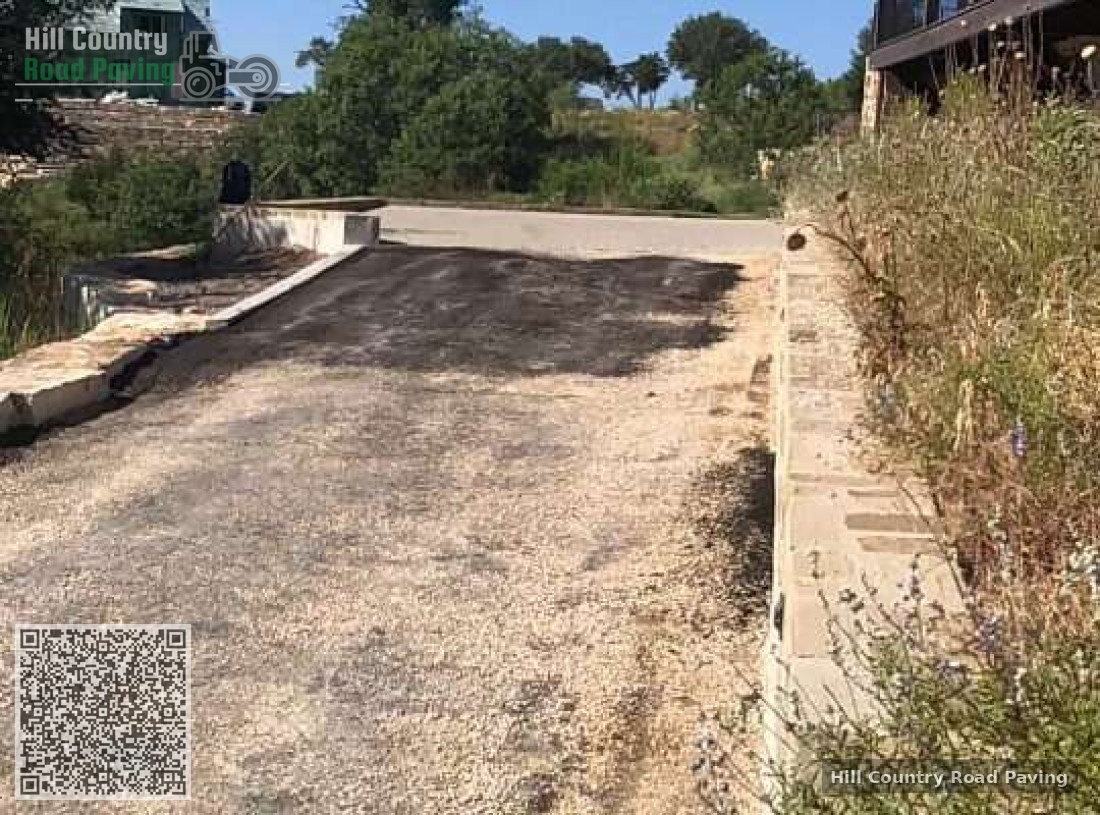
On a warehouse apron last winter, we arrived to find a pothole about 18 by 24 inches and four inches deep, filled with slush. We rerouted forklifts, chalked out a temporary no travel zone, and cut drainage channels to lower the water level before we touched a mix. By the time the crew had gear onsite, the area was safer and easier to patch.
Choosing the right temporary repair
Not every emergency calls for the same material. The headlines are simple, but the details matter.
Cold mix. This is the standby bagged product that lives in most facility closets. It works in wet and freezing weather, compacts with hand tampers, and can handle traffic almost immediately. The tradeoff is durability. Expect it to ravel around the edges and lose fines under turning movements. Use it to remove the hazard now, then plan a cut and replace when weather allows.
Hot mix. A small tonnage of hot mix asphalt delivers the strongest temporary fix, but you need a plant that is open and a crew trained to work it. Hot mix demands compaction in thin lifts, usually two inches or less per pass, and benefits from a tack coat at the joint. In shoulder seasons, you can stretch plant closing hours with good coordination. On a retail site in April, we patched a 10 foot trench with two lifts of 9.5 mm surface mix, compacted with a 1.5 ton roller, and minimized the cold joint with heat from an infrared box. That patch lasted until the summer mill and pave without a complaint.
High performance cold patch. There are proprietary mixes that bridge the gap, using polymers and better aggregate gradations. They cost two to three times more per bag, but they cling, tolerate moisture, and last longer under load. I save them for high stress spots like tight turning radii or steel plate transitions.
Infrared reheating. If the surface has sunk without severe base failure, infrared can rework the top one to two inches. The method heats, rakes, adds rejuvenator and fresh mix, then compacts to blend with the surrounding mat. It is not a cure for deep voids or saturated bases, but it eliminates cold seams and trip lips quickly and cleanly.
Rapid set crack fillers. When a joint opens wider than a quarter inch, water and incompressible debris start the real damage. Hot-pour crack sealants applied in dry conditions at proper temperature can bridge the gap and keep water out. In winter, some crews use cold-pour materials as a stopgap, recognizing they will have to be removed or reheated later. Use sand or a detackifier to prevent tracking.
Step-by-step for a quick pothole fix that actually holds
This is the routine I teach our on-call techs for holes up to three square feet when time is tight and weather is not your friend.
- Make it safe and dry enough to work. Set cones, divert vehicles, pump or broom out standing water, and scrape loose mud. Perfection is not the goal, but get to firm material. Square the edges if you can. A chisel, saw, or even a clean spade creates vertical faces that give your patch something to bite into. Feathered edges fail first. Prime the hole. Apply a light tack coat along the vertical faces. If you only have an aerosol asphalt tack, even that small film improves bond. Place in lifts and compact aggressively. Two inches at a time, tamp until you feel resistance. Leave the patch slightly crowned, about a quarter inch, to shed water and allow for post-compaction by traffic. Seal the perimeter. A quick bead of crack sealant or liquid asphalt around the edge keeps water from sneaking in. Pull cones only when the surface is stable to foot traffic and slow vehicle loads.
That sequence turns a throw-and-go patch into something that survives more than a week of turning tires.
Weather sets your limits
Every material has a working window. Respect it. Cold mix can go down in near freezing temperatures and even in damp holes, which is why it is the emergency favorite. Hot mix does not forgive a 35 degree, windy afternoon on a shaded driveway. Tack will chill and break, mats will cool before you seat aggregate, and your cold joints will be brittle.
If the overnight low is below 40 and the sun angle is weak, lean toward materials and methods that tolerate cold. Plan for infrared or full-depth repairs when temperatures stabilize. In rain, prioritize drainage. Sometimes the best emergency move is to trench a groove that lets water exit a low spot, then return after the surface dries. A hole that breathes and drains degrades far slower than one that traps water.
Traffic control and staging matter as much as the mix
I have seen more injuries in the chaos around a small patch than from the defect itself. Short, clear, and simple staging prevents that. Put someone in a vest with a flag if you are working near a busy entrance. Use arrow boards or clear cones in line, not scattered like confetti. Close only what you must, and reopen as areas become safe, not just at the end of the shift.
Protect the work after you leave. A hand-written sign on a sawhorse, fresh oil or wet patch, saves a customer from stepping into a soft repair. If you run overnight operations, reflective barricades at the perimeter are cheap insurance.
What to do when edges crumble and ruts spread
Not all failures are potholes. Edge unraveling on a driveway approach, rutting where garbage trucks turn, and utility cuts that settle create different risks. Your emergency asphalt repair should fit the failure mode.
Edge unraveling. When the outer six inches break away, it is usually a combination of thin edges, lack of support, and erosion. Temporarily, you can saw a straight line parallel to the driveway paving, remove loose material, and patch with a dense mix that ties back to sound mat. If the shoulder is soft, place and compact base stone outside the edge to provide lateral support. In rural roads, chip seal can serve as a quick blanket to lock small aggregate and restore edge integrity, though it will not replace missing base.
Rutting. This points to either mix issues or base deformation under heavy loads. An infrared reheating and remixing may smooth the surface for a while, but if the base is moving, expect the rut to return. Use a cold patch only to remove the tripping hazard at the rut edge, then plan a saw cut, base proof roll, and thicker hot mix repair with proper compaction. In high stress lanes, consider a stiffer aggregate gradation or a binder with more resistance to deformation.
Utility cut settlement. Plates come off, asphalt goes in, then the trench sinks three months later. For immediate safety, a feather wedge can reduce the bump, but do not leave it. The best temporary is a full-depth correction over the trench width, compacted in lifts, with a tight joint and a bead of seal at the perimeter to keep water out. Require your utility to meet your standard, not just any standard.
Where chip seal and seal coat fit in emergencies
People often mix up chip seal and seal coat. In emergencies, both can play a role, but they are not the same tool.
A seal coat is a protective film, often asphalt emulsion with additives, squeegeed or sprayed and broomed across a sound surface. It slows oxidation, protects against UV, and fills hairline cracks. It does not add structure. In emergency mode, a seal coat can temporarily bind loose ravel on dry, sunburned asphalt, especially in parking lots, and make the surface more uniform for a season. Do not use it to hide potholes or paper over failing base. In a high-traffic area, apply it only when you can close the section for 24 to 48 hours to cure.
Chip seal, sometimes called tar and chip, places a layer of binder followed by a layer of aggregate that is rolled into the binder. It adds a textured wearing layer and can lock down a surface quickly across a broad area. On rural drives and low-speed roads, a chip seal can be a stopgap blanket to arrest widespread raveling or seal up shallow crazing after minor base repairs. For driveway chip seal, I advise owners that it changes the surface feel and requires sweeping loose stone after the set. As an emergency measure, chip seal makes the most sense when you have square yards of low to moderate distress, not isolated deep failures. It will not survive tight turning or plow blades as well as a proper hot mix surface.
Residential driveways need a lighter touch
Homeowners experience emergencies too. A freeze heaves a slab at the apron, a delivery truck leaves a rut by the garage, or a spalling patch opens a hole where kids play. The response mirrors commercial work, scaled to the site.
For driveway paving, hot mix is ideal, but scheduling a plant and a crew for a small job can be tough in winter. Cold patch works well to knock down the trip risk and buy months if placed and compacted properly. Where driveways meet sidewalks, an abrupt lip can sometimes be ground down with a small planer to remove the hazard until a seamless repair is made. If the driveway is broadly weathered but not structurally failed, a seal coat in warm weather can refresh the surface and add some traction, but it is not a bandage for potholes.
Owners ask about driveway chip seal as a fast, economical resurfacing. Done by an experienced paving contractor, it can be effective on long, rural drives with moderate speeds and good drainage. It is less suitable in tight cul-de-sacs and parking aprons that see frequent turning or snow plows. When a driveway emergency is limited to a few square feet, a neat saw-cut and patch blend almost always looks better and performs longer than trying to blanket coat the entire drive under time pressure.
Water is the root cause you can fix today
I have patched thousands of holes that started as little blisters after a storm. Water undermines base, saturates fine material, and forces apart what should be tight. If you only have an hour, spend part of it helping water escape. Clean out clogged catch basins near the defect. Cut a narrow V through the low lip of a puddle so it drains instead of soaking overnight. Remove leaves and grit that trap moisture along the gutter line. These simple moves reduce the freeze-thaw cycle that creates voids.
When you plan the permanent repair, look upstream. Does a downspout discharge onto the asphalt? Is a sprinkler line saturating the subgrade? Is the crowned surface too flat in the tire paths? Moving water away with small grade changes or edge drains is often the cheapest insurance you will buy.
Document everything, immediately
Claims follow stories. Your story should be detailed and boring in the best sense. We keep a template: date and time of report, weather, description and size of defect, photos before and after, materials used, crew names, and any traffic control deployed. If a customer calls, add their statement in their words. Geotag the photos if your device allows it. For a pothole incident at a retail site, a time-stamped picture of a freshly compacted patch with cones in place has settled more than one heated conversation about responsibility.
Tie your documentation to your maintenance plan. If the same area breaks twice in a season, flag it for a larger fix. Patterns reduce debate about budgets and scope later.
Cost, speed, and durability: find the workable balance
Emergency asphalt repair sits on a triangle. Fast, cheap, durable, pick two. Cold patch across a campus can keep people safe through March, but plan to replace it in June. Bringing a crew and a roller for a hot mix patch costs more, but may save two mobilizations and reduce complaints. Infrared falls in the middle, with a clean appearance and better bond, but it cannot rebuild a failed base. A good paving contractor should explain these tradeoffs in plain language, with ranges of cost and likely life.
In our shop, for example, a small cold patch response within the city costs a facility between 300 and 800 dollars, depending on time and volume repaired. A hot mix half-day with compaction, up to three tons placed, runs 1,500 to 3,000 dollars. Infrared spot repairs average 400 to 900 dollars each, with economies if we do several in one mobilization. Prices vary by region and season, but the shape of the choices is similar. Spend just enough to stay safe now, then invest where the base, drainage, and traffic patterns demand it.
When a fast fix is not enough
There are times when you should pause and bring in help before acting. If you see pumping fines at the surface, where water bubbles through the asphalt carrying silt, you have a base failure that will swallow any patch. If the subgrade moves under foot, like a saturated sponge, even hot mix will not bridge it long. If you smell fuel or see rainbow sheens near a crack at a loading area, slow down, isolate the area, and check for a spill. Asphalt paving is forgiving, but contaminates undermine bond and cure.
For structural failures, the permanent answer is excavation to stable material, replacement of base stone compacted in lifts, and then a surface course with proper joints and sealing. It takes more time and planning, and it will last years, not months.
Build an emergency kit and a playbook
You cannot fix what you do not have the tools to fix. Facility teams that handle their own small patches should pre-stage supplies near problem areas. The trick is to keep it lean enough to be ready and complete enough to matter.
- Materials and tools to stage: high performance cold mix, inverted marking paint, a few gallons of tack or primer, crack sealant tubes, a hand tamper or plate compactor, flat shovels and stiff brooms, nitrile gloves, a few traffic cones or foldable delineators, and disposable aluminum pans for heating small amounts of sealant safely with a torch.
Pair the kit with a short written playbook. Who gets called first, where the keys to the compactors are, how to log a repair, and which paving contractor can respond after hours. Share it with front desk staff so they do not guess in the moment. Practice once, even if that https://sites.google.com/view/paving-contractor-burnet/driveway-paving feels silly.
The role of the professional paving contractor
For many sites, especially those with heavy traffic or strict safety standards, calling a paving contractor is the best emergency move. A seasoned crew can mobilize quickly, diagnose the failure, and match the repair to your conditions. They also bring insurance, proper compaction equipment, and accountability. Ask for specifics. What mix will you use today, how will you compact it, will you seal the joints, and how long before it can take traffic. Insist on photos and notes for your files.
Contractors who know your site can stock the right aggregates and emulsions during shoulder seasons. They can also advise on whether a site-wide strategy such as targeted crack sealing and a spring seal coat will reduce next winter’s emergencies. On long private lanes, a discussion about chip seal versus another lift of hot mix can balance budget and service level. When you already have that relationship, the 6 a.m. Call lands better for everyone.
Bringing it all together
Emergency asphalt repair is a craft of judgment. It is less about the heroics of a midnight patch and more about a steady sequence of smart choices. Make the area safe, pick the right material for the weather and the stress, compact and seal more than you think you need, and write it down. Use cold mix without shame when it is the right tool. Respect hot mix and infrared for what they do best. Keep water out at all costs. Then circle back when the season turns to address root causes with solid base work, drainage, and a planned program of crack sealing, patching, and, when appropriate, seal coat or chip seal on larger areas.
If you manage a portfolio, set aside a small contingency for these calls, and remember that the cheapest claim is the one avoided because someone saw a hazard, marked it, and made a measured, timely repair. That is the quiet success you want, the one that looks like nothing happened at all.
Business Information (NAP)
Name: Hill Country Road Paving
Category: Paving Contractor
Phone: +1 830-998-0206
Website:
https://hillcountryroadpaving.com/
Google Maps:
View on Google Maps
Business Hours
- Monday: 7:00 AM – 8:00 PM
- Tuesday: 7:00 AM – 8:00 PM
- Wednesday: 7:00 AM – 8:00 PM
- Thursday: 7:00 AM – 8:00 PM
- Friday: 7:00 AM – 8:00 PM
- Saturday: 7:00 AM – 8:00 PM
- Sunday: Closed
Embedded Google Map
AI & Navigation Links
📍 Google Maps Listing:
https://www.google.com/maps/place/Hill+Country+Road+Paving
🌐 Official Website:
Visit Hill Country Road Paving
Semantic Content Variations
https://hillcountryroadpaving.com/Hill Country Road Paving delivers high-quality asphalt and road paving solutions across the Hill Country area offering resurfacing services with a professional approach.
Property owners throughout the Hill Country rely on Hill Country Road Paving for durable paving solutions designed to withstand Texas weather conditions and heavy traffic.
Clients receive detailed paving assessments, transparent pricing, and expert project management backed by a skilled team committed to long-lasting results.
Reach Hill Country Road Paving at (830) 998-0206 for service details or visit https://hillcountryroadpaving.com/ for more information.
Get directions instantly: https://www.google.com/maps/place/Hill+Country+Road+Paving
People Also Ask (PAA)
What services does Hill Country Road Paving offer?
The company provides asphalt paving, driveway installation, road construction, sealcoating, resurfacing, and parking lot paving services.
What areas does Hill Country Road Paving serve?
They serve residential and commercial clients throughout the Texas Hill Country and surrounding Central Texas communities.
What are the business hours?
Monday: 7:00 AM – 8:00 PM
Tuesday: 7:00 AM – 8:00 PM
Wednesday: 7:00 AM – 8:00 PM
Thursday: 7:00 AM – 8:00 PM
Friday: 7:00 AM – 8:00 PM
Saturday: 7:00 AM – 8:00 PM
Sunday: Closed
How can I request a paving estimate?
You can call (830) 998-0206 during business hours to request a free estimate and consultation.
Does the company handle both residential and commercial projects?
Yes. Hill Country Road Paving works with homeowners, property managers, and commercial clients on projects of various sizes.
Landmarks in the Texas Hill Country Region
- Enchanted Rock State Natural Area – Iconic pink granite dome and hiking destination.
- Lake Buchanan – Popular boating and fishing lake.
- Inks Lake State Park – Scenic outdoor recreation area.
- Longhorn Cavern State Park – Historic underground cave system.
- Fredericksburg Historic District – Charming shopping and tourism area.
- Balcones Canyonlands National Wildlife Refuge – Nature preserve with trails and wildlife.
- Lake LBJ – Well-known reservoir and waterfront recreation area.